

Why Do I Still Feel Exhausted Even When My Blood Sugar Looks “Normal”?
If you constantly feel drained, foggy, or unmotivated—even after seeing a “normal” blood sugar reading—you are not imagining it. This is a frustrating experience for many people. On paper, your numbers may look fine. In real life, your energy may still feel unreliable, your focus may crash in the afternoon, and your body may seem like it is working harder than it should.
That disconnect can be confusing.
Most people assume that if glucose appears normal, fatigue must be in their head, caused by stress alone, or simply part of getting older. But energy is more complex than a single lab value. A standard blood sugar result can miss the bigger picture, especially when your body is dealing with subtle metabolic strain, poor sleep, inflammatory habits, inconsistent nutrition, or early blood sugar instability that does not always show up on a routine test.
This article breaks down why exhaustion can continue even when blood sugar looks normal, what hidden factors may be involved, what habits can support steadier energy, and where a product like Gluco Extend Supplement may fit into the conversation as one possible option.
A “Normal” Blood Sugar Reading Does Not Always Mean Optimal Energy
One of the biggest misunderstandings in metabolic health is the idea that normal equals ideal.
A fasting glucose test gives you a snapshot. It does not show the full movie.
Your blood sugar can appear normal during a morning lab draw while still fluctuating more than you realize throughout the day. You might be experiencing:
- energy dips after meals
- blood sugar spikes followed by crashes
- poor insulin sensitivity
- stress-related glucose disruption
- inconsistent overnight recovery
- cravings that hint at unstable metabolic control
These patterns do not always show up clearly in a single reading.
Also, fatigue is not caused by glucose alone. Your energy depends on how well your body uses fuel, not just how much sugar is present in your bloodstream. That means insulin response, sleep quality, cortisol rhythm, muscle activity, inflammation, hydration, and nutrient status all matter.
So if you keep asking, “Why am I still exhausted if my glucose looks fine?” the better question may be:
Is my body handling energy efficiently throughout the entire day?
Hidden Reasons You May Feel Tired Despite “Normal” Blood Sugar
Blood sugar may be swinging more than you think
A fasting reading can miss what happens after breakfast, lunch, dinner, snacks, stress, and poor sleep. Some people feel wiped out because they experience sharp glucose rises after meals followed by quick drops.
Even if those shifts stay within a technically normal range, your body can still react with:
- shakiness
- brain fog
- irritability
- cravings
- sudden tiredness
- difficulty concentrating
This is one reason some people say they feel “off” even though their lab work looks acceptable.
Insulin resistance can start before glucose looks clearly abnormal
Insulin resistance often develops gradually. In the early stages, the body may still keep blood sugar within normal range by producing more insulin. That can create a misleading impression that everything is fine.
But behind the scenes, your metabolism may already be under pressure.
Early insulin resistance may show up as:
- fatigue after eating
- increased belly fat
- stronger carb cravings
- afternoon crashes
- difficulty losing weight
- mental sluggishness
In other words, normal glucose does not automatically rule out metabolic inefficiency.
Poor sleep can wreck energy and blood sugar regulation

Sleep is one of the most underestimated drivers of fatigue.
If your sleep is fragmented, too short, or low quality, your body becomes less resilient. Poor sleep can affect insulin sensitivity, hunger hormones, stress response, and recovery. You may wake up exhausted, rely on caffeine, eat for quick energy, and then feel even more unstable later.
Many people blame blood sugar when the deeper issue is that sleep is sabotaging everything else.
Common sleep-related signs include:
- waking unrefreshed
- needing caffeine just to function
- nighttime awakenings
- snoring or possible sleep apnea
- wired-but-tired evenings
- low motivation despite enough time in bed
Stress hormones can create exhaustion even without obvious glucose problems
Chronic stress changes how your body handles energy.
When cortisol remains elevated or poorly timed, it can interfere with sleep, increase cravings, worsen blood sugar control, and leave you feeling both tense and depleted. Some people live in a state of constant overactivation: mentally alert but physically exhausted.
That pattern often looks like this:
- you wake up tired
- push through the day with stimulants
- crash mid-afternoon
- feel too stressed to fully relax at night
- repeat the cycle again tomorrow
This can happen even if your blood sugar is not technically high.
Nutrient gaps may be contributing to fatigue
Energy production depends on more than calories. Your body also needs the right nutritional support to convert food into usable energy. Deficiencies or suboptimal levels of nutrients such as iron, magnesium, B vitamins, and vitamin D can contribute to ongoing tiredness.
If your meals are inconsistent, ultra-processed, or overly reliant on convenience foods, your body may be underfueled in ways that do not show up as obvious hunger.
Inflammation, inactivity, and muscle loss can reduce energy efficiency
Your muscles play a major role in glucose use. If you sit most of the day, move very little, and have low muscle mass, your body may become less effective at handling carbohydrates and producing steady energy.
Inflammatory habits can also add to the problem, including:
- frequent poor-quality food
- chronic sleep debt
- high alcohol intake
- long-term stress
- low physical activity
This creates a low-grade strain on the system that can feel like constant fatigue.
Other health issues may be involved
Sometimes the problem is not primarily blood sugar at all.
Persistent exhaustion can also be linked to:
- thyroid dysfunction
- anemia
- dehydration
- medication side effects
- hormonal changes
- depression or anxiety
- chronic infections
- sleep apnea
That is why unexplained fatigue should not be brushed off or self-diagnosed too quickly.
Signs Your Energy Problem May Be More Than “Just Being Tired”
Fatigue becomes more meaningful when it shows up with patterns.
Pay attention if your exhaustion comes with:
- strong hunger soon after meals
- sleepiness after carbs or sugary foods
- frequent cravings for snacks
- brain fog in the late morning or afternoon
- irritability when meals are delayed
- trouble focusing at work
- waking up tired every day
- energy highs and lows instead of steady stamina
These clues suggest your body may be struggling with regulation, not just willpower.
Common Mistakes People Make When Trying to Fix This
Many people respond to fatigue in ways that make the problem worse.
Relying on caffeine instead of investigating the pattern
Coffee can mask tiredness, but it does not explain it. If you need multiple hits of caffeine just to feel normal, there may be a deeper issue involving sleep, blood sugar stability, stress, or recovery.
Eating for comfort or quick energy
When energy drops, it is easy to reach for pastries, sugary drinks, chips, or fast carbs. That may provide a brief lift, but it often sets up the next crash.
Skipping meals and then overeating later
Irregular eating can destabilize appetite and energy. For some people, long gaps between meals lead to low energy, poor food choices, and larger evening meals that disrupt sleep and recovery.
Assuming “healthy” foods always support blood sugar
Smoothies, granola, flavored yogurt, fruit juice, and “natural” snack bars can still create sharp glucose swings if they are heavy in sugar and low in protein, fiber, or fat.
Ignoring sleep because diet seems more important
Food matters, but sleep is foundational. If sleep is poor, your hunger, cravings, stress response, and energy output often become harder to manage.
What Can Actually Help You Feel More Stable and Energized?
Improving energy usually requires a layered approach instead of one magic fix.
Build meals that slow energy crashes
Try to make meals more balanced by combining:
- protein for satiety and muscle support
- fiber for slower digestion
- healthy fats for steadier energy
- smart carbohydrates instead of large sugar-heavy loads
A meal with eggs, vegetables, avocado, and oats will usually support better energy than coffee and a pastry.
The goal is not perfect eating. The goal is fewer spikes, fewer crashes, and more consistent fuel.
Move after meals
One of the simplest strategies for blood sugar support is walking after meals. Even 10 to 15 minutes can help your body use glucose more effectively and reduce that heavy, sleepy feeling some people get after eating.
Strength training matters more than many people realize
Muscle acts like a metabolic engine. The more muscle you maintain, the better your body tends to handle glucose and energy demands. You do not need to become a bodybuilder. Consistent resistance training a few times per week can make a real difference.
Protect sleep like it is part of your treatment plan
If you want steadier energy, treat sleep as non-negotiable.
Helpful practices include:
- keeping a regular sleep schedule
- reducing late-night screen exposure
- limiting heavy meals and alcohol before bed
- managing caffeine earlier in the day
- getting evaluated if you snore heavily or wake up gasping
Manage stress in a practical way
You do not need a perfect lifestyle to reduce stress load. Start with realistic tools:
- morning light exposure
- short walks during the day
- breathing exercises
- reducing constant notifications
- structured breaks from work
- journaling or mental offloading before bed
Stress management is not just emotional wellness. It is metabolic support.
Check the basics with a qualified professional
If fatigue is persistent, worsening, or affecting daily function, it is worth discussing with a healthcare professional. Depending on your situation, they may assess glucose trends, insulin markers, iron status, thyroid function, sleep quality, or other contributors.
Where Supplements May Fit Into the Picture
Supplements are not a replacement for sleep, movement, meal quality, or medical care. But in some cases, they may support the broader goal of metabolic balance and steadier energy.
This is especially relevant for people who:
- notice energy crashes after meals
- want extra support for blood sugar management
- are working on healthier routines but want added help
- prefer a structured supplement as part of a lifestyle strategy
When looking at a supplement in this category, consumers often want to know:
- Does it align with their wellness goals?
- Does it support healthy blood sugar already within a normal range?
- Is the formula designed for daily use?
- Is the brand transparent about where to learn more?
The key is to view supplementation as supportive, not as a shortcut.
How Gluco Extend Supplement Enters the Conversation
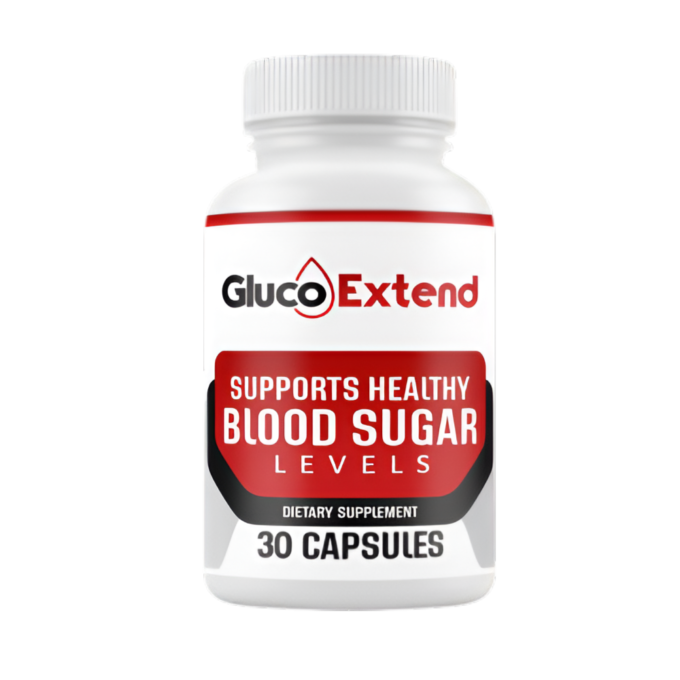
If you are exploring options for metabolic support, Gluco Extend Supplement is one product that may be worth considering as part of a broader routine.
Rather than positioning it as a miracle answer, it makes more sense to see it in context: people who struggle with fatigue, cravings, or unstable energy often start by improving sleep, food quality, movement, and stress control. Then they may decide to add a supplement that aligns with those efforts.
In that setting, Gluco Extend Supplement may appeal to adults who are looking for additional daily support related to blood sugar balance and overall metabolic wellness.
For those who want to learn directly from the source, the official website is: Gluco Extend
Before trying any supplement, it is smart to review the product information carefully, compare it with your personal health needs, and speak with a healthcare professional if you take medication or manage a health condition.
You’ll probably also want to read: Gluco Extend Supplement Review: Does It Really Support Healthy Blood Sugar? (2026 Guide)
My Honest Experience With Gluco Extend Supplement in 2026 – What Really Happened After I Tried It
Honest Evaluation: Pros, Cons, and Who It May Suit Best
A balanced view builds more trust than hype.
Potential advantages of Gluco Extend Supplement
- It may fit well for people already working on blood sugar-friendly habits
- It offers a more structured approach than randomly trying multiple products
- It may appeal to adults looking for metabolic support in a supplement format
- It gives interested users a direct official source to review product details
Important considerations
- It is not a substitute for medical diagnosis or treatment
- It should not be treated as the only solution for fatigue
- Results can vary depending on sleep, diet, activity, stress, and overall health
- It may not be ideal for people expecting instant effects without lifestyle changes
- Anyone with medical conditions or prescriptions should be cautious and seek professional input
Who may benefit most
Gluco Extend Supplement may be most relevant for adults who:
- feel their energy is inconsistent
- want blood sugar support as part of a healthy routine
- are committed to improving daily habits
- prefer to research official product information before deciding
Who may not be the ideal user
It may be a poor fit for people who:
- want a replacement for healthy habits
- need urgent evaluation for severe fatigue or unexplained symptoms
- prefer not to use supplements at all
- have not yet ruled out other causes of tiredness
The Bigger Truth About “Normal” Blood Sugar and Low Energy
Feeling exhausted when your blood sugar looks normal is more common than many people think. The problem is that people often look for one clean explanation when energy is usually influenced by multiple systems at once.
A “normal” number does not automatically mean:
- your glucose is stable all day
- your insulin response is efficient
- your sleep is restorative
- your stress is under control
- your metabolism is functioning optimally
That is why fatigue deserves a wider lens.
If you feel depleted regularly, start with the basics: improve meal balance, move more, protect sleep, reduce stress load, and get appropriate medical guidance when needed. From there, a product like Gluco Extend Supplement may be one supportive option to explore—especially if you are intentionally working toward better blood sugar awareness and more stable daily energy.
You’ll probably also want to read: Gluco Extend Supplement Review: Does It Really Support Healthy Blood Sugar? (2026 Guide)
My Honest Experience With Gluco Extend Supplement in 2026 – What Really Happened After I Tried It
FAQ
Is Gluco Extend Supplement meant only for people with high blood sugar?
Not necessarily. Gluco Extend Supplement may also interest adults who want extra support for blood sugar balance and steadier energy as part of a broader wellness routine. It is still important to review the product details and consider professional guidance.
Can Gluco Extend Supplement help with fatigue if my glucose test is normal?
It may be relevant in the context of metabolic support, but fatigue can have many causes. Gluco Extend Supplement should be seen as one possible supportive option, not a guaranteed answer or a replacement for medical evaluation.
How should I evaluate whether Gluco Extend Supplement is right for me?
Start by looking at your overall lifestyle, symptoms, and health status. Then review the official information for Gluco Extend Supplement, compare it to your needs, and speak with a healthcare professional if you have concerns or take medication.
Where can I find the official Gluco Extend Supplement website?
The official website for Gluco Extend Supplement is Gluco Extend Official Website